پایانِ هر شبِ سیاه، روزی سپید است
( هجدهمین سال نشراتی )
تاریخ نشر : چهار شنبه مؤرخ ۱۸ سنبله ( شهریور) ۱۴۰۵ خورشیدی – ۹ سپتامبر۲۰۲۶ میلادی – ملبورن – استرالیا
—————————————————————————————————————————————————
داستان مستند گونه ای از یک خانواده مهاجر
******************************
مهاجرت، واژهای نیست که بهسادگی از زبان بگذرد. مهاجرت، سوختن در آتشهای ناپیداست؛ دلکندن از خاکی که ریشهات در آن تنیده، و پا نهادن به سرزمینی که بوی آشنای باران را ندارد. این داستان، روایت یکی از همان هزاران سوختنهاست؛ روایت مردی که قلمش سلاح بود و وطنش، پشتِ سر جا ماند. در این روایت، نه تنها غمِ ترک وطن موج میزند، که امیدِ کوچکی نیز در دلِ شبهای بیستارهاش میدرخشد.
حمید از همان سالهای نخستین کودکی، با صدای رادیو و بوی کهنهی کتابها بزرگ شد. پدرش معلمی دلسوز و همیشه در فکر بود و مادرش، زنی خانهدار با ذهنی پرسشگر و آگاهیای فراتر از روزگار خویش. خانهی آنها، پناهگاهی امن بود برای انبوهی از کتابهای فلسفه، ادبیات و تاریخ؛ کتابهایی که دیوارهای خانه را نه با گچ و آجر، که با اندیشه و پرسش میآراستند. حمید در میان این انبوه کلمات، بهخوبی آموخت که «آزادی» واژهای نیست که در کوچهپسکوچههای وطنش بهراحتی جاری شود.
روزی، در مکتب ابتدایی، چشمان کنجکاوش شاهد بازداشت معلمی بود که جز اعتراض به نبود کتاب درسی گناهی نداشت. آن روز، در دلِ کودکانهاش بذر پرسشی بزرگ کاشته شد: «آیا نمیتوان صدای کسانی بود که صدایی ندارند؟» این پرسش، تا جوانی همراه او ماند و او را به دانشکدهی حقوق کشاند. در آنجا، دو ترم درس روزنامهنگاری، دیدگاه تازهای به او بخشید؛ روزنامهنگاری نه فقط یک حرفه، که فریادی بود از ته چاه.
حمید تصمیم گرفت خبرنگار شود. نه برای شهرت، که برای آنکه میان شعلههای جنگ و گرداب بیثباتی، روشنی را با قلمش از دلِ تاریکی بیرون بکشد. گزارشهایش هرگز صرفاً روایت خبر نبود؛ او درد را مینوشت، نالههای ناشنیده را به کلمات بدل میکرد و نامش بهتدریج در محافل رسانهای طنینانداز شد. اما شهرت و پول و قدرت، هرگز نتوانستند ذهنِ پرسشگرش را اغوا کنند.
در کنار او، صنم ایستاده بود؛ همسری که معلمی بود در لیسهای دخترانه و همراهی خستگیناپذیر در مسیر دشوار آرمانهایش. فرزندانشان نیز در همین فضای آکنده از اندیشه و تعهد رشد یافتند. زهرا، دختر بزرگ، عاشق دوربین و ثبتِ صدای مردم بود و راه پدر را در روزنامهنگاری ادامه داد. امیرحسین، با نبوغی درخشان، رشتهی علوم کامپیوتر را در دانشگاهی آزاد به پایان رساند و با درجهای عالی فارغالتحصیل شد. محمد، کوچکترین، همواره کتابی از حقوق بشر را زیر بغل داشت و رویای وکالت و عدالت را چون پدر در سر میپروراند.
اما آسمانِ این خانه، یکباره فرو ریخت. با سقوط حکومت جمهوری، جهانشان در یک شب، وارونه شد. شبی که طالبان وارد هرات شدند، حمید با نگاههایی پر از اندوه به صنم گفت: «فردا، دیگر با صدای خودما زنده نیستیم.» گوشیهای همراه خاموش شدند، تلویزیون قطع گردید و کتابهای عزیز، پشت پردههایی از بیم و هراس پنهان گشتند. آن همه سال تحصیل و مجاهدت، در عرض چند روز، به وحشتی بیپایان بدل شد.
طالبان اعلام کردند که زنان حق کار ندارند و دختران باید در خانهها محبوس شوند. مکتبها دانشگاهها و کار در ادارات دولتی بهروی دختران و زنان بسته شد. زهرا، که تا چندی پیش با شجاعتی وصفناشدنی در تلویزیون از حقوق زنان دفاع میکرد و حقایق را در قالب خبر بیان میکرد، اکنون پشت کلکین اتاقش مینشست و به صفحهی خاموش تلویزیون خیره میشد، گویی تصویرِ سکوت، فریادِ درونش بود. صنم با بغضی که هرگز فرو نمینشست، زمزمه میکرد: «درسهایی که به دختران دادم، حالا همچون خنجری در قلبم برگشته است.»
امیرحسین، اگرچه همچنان ناچار به رفتن به سر کار بود، اما هر شب با چشمانی هراسان به خانه بازمیگشت. مأموران طالبان به بهانههای واهی موترش را بازرسی میکردند، کارت شناساییاش را بارها میخواستند و او را با لقب «پسرِ روزنامهنگار» میخواندند. محمد نیز دیگر جرأت خروج از خانه را نداشت؛ دوستانش یکییکی ناپدید میشدند و سرکها به خاطرهای تاریک بدل گشته بودند.
حمید شبهای بسیاری را بر پشتبام خانه میگذراند و به آسمانِ پرستاره اما سرد خیره میشد. با خود میاندیشید: «آیا ترک وطن، خیانت است؟ یا ماندن در برابر این همه خفقان، خود بزرگترین خیانت به آیندهی فرزندان من است؟» آنگاه که خطر جان خانوادهاش را آشکارا حس کرد، تصمیم سرنوشتسازش را گرفت؛ باید میرفتند.
هیچیک از اعضای خانواده پاسپورت یا مدرک خروج نداشتند. حمید با دلشکستگی تمام، به دوست قدیمیاش عبدالمالک رو آورد؛ مردی که روزگاری در دولت خدمت میکرد و اکنون با طالبان همکاری داشت. غرورِ یک عمر را کنار نهاد و کمک خواست. با پرداختنِ مبلغی گزاف، پاسپورتها و ویزاهایی که بیشتر شبیه برگِ عبور از جهنم بودند، تهیه شد.
روز بعد ، بیخداحافظی، بینگاه به پشتسر، از مرزِ زمینی خارج شدند. زهرا، در آن دمِ وداع، خاکِ کفشهایش را بوسید، گویی میخواست بوی وطن را برای همیشه در جان نگه دارد. صنم، سرش را پایین افکند تا اشکهایش را نبینند؛ در آن روز دلگیر، تنها هوای سرد زمستان و ابری شاهد این دلکَنی بود.
اما کشور همسایه، بهشت موعود نبود. تحقیر مأموران مرزی، نگاههای یخ زدهی مردم، و غربتی که هر لحظه بر جانشان چنگ میزد، چون تیغی تیز، قلب حمید را میخلید. امیرحسین، با هزار زحمت، کاری در یک شرکت یافت و روزها با علاقه کار میکرد، اما شبها با چشمانی خسته و مغزی آکنده از نگرانی به خانه برمیگشت. زهرا نیز در یک رسانهی آنلاین، داوطلبانه به فعالیت پرداخت تا شاید قلمش هنوز فریادگر باشد، و محمد به کورس آموزش کامپیوتر رفت؛ اما پس از سه ماه تلاش، هیچ مدرکی به او ندادند؛ گفتند تو از فلان …. نیستی به امثال تو مدرکی داده نمی شود.
و امیدِ یادگیری نیز در او رنگ باخت.
حمید، که روزگاری قهرمانِ وطن بود، اکنون مردی شکسته در تبعید بود. شبها در سکوت اتاق، به خاطرات پناه میبرد و با غمِ گذشته، دل را تسکین میداد؛ اما روزها، با سماجتی عجیب، در گروههای اینترنتی، متنهای طنز، داستانها و شعرهایی مینوشت. نه برای خنداندن، که برای التیامِ زخمهای همنوعان مهاجر؛ میدانست که خنده، در میان این همه درد، خود نوعی مقاومت است.
تا اینکه روزی، پیامِ ناشناختهای در فیسبوک، آرامشِ ساختگیشان را بر هم زد: «تو کافری؛ کلیپهایت توهین به اسلام و خلاف طالبان است. جنازهات را مثل آن دو نفر در هرات، جلوِ موتر خواهیم بست.» نام فرستنده، «الکوزی» بود؛ یکی از طالبان سایبری که در فضای مجازی نفوذی شوم داشت. این تهدید، شوخی نبود؛ همان هفتهی پیش، دو تن از فعالان تبعیدی در هرات به قتل رسیده و ویدئوی مرگشان در شبکههای طالبان پخش شده بود. حمید، برای آنکه خانوادهاش مضطرب نشوند، این تهدید را با خود نگه داشت. اما ذهنش هر لحظه متلاطمتر میشد و در موقع خوردن چای صبحانه، در چشمهای همه، سایهی ترس نمایان بود.
در این گیرودار، روزی یکی از همکارانِ پیشینش در نهادهای مدنی و حقوق بشری، که به یکی از کشورهای اروپایی مهاجرت کرده بود، از طریق مسنجر با او تماس گرفت و جویای احوالش شد. حمید که از فشارِ تهدیدها به ستوه آمده بود، سرگذشتِ خود و تهدیداتِ الکوزی را برای دوستش بازگفت. دوستش قول داد که موضوع را با نهادهای حقوق بشری افغانستان در اروپا در میان بگذارد.
چند روز بعد، دوستش باز تماس گرفت و گفت که با مسئولان کمیتهی حقوق بشر افغانستان در یک کشور اروپایی صحبت کرده است و خوشبختانه، رئیس این کمیته، حمید و فعالیتهایش در نهادهای مدنی نهاد های حقوق بشری و روزنامه نگاری در افغانستان اطلاع داشت .
و فعالیت فعلی حمید را در فضای مجازی بهخوبی میشناخت.
فرمی برای او ارسال شد تا تکمیل کند و بازپس فرستد. حمید، با مشورت و توافق خانواده، فرم را پر کرد و به ایمیلِ تعیینشده ارسال نمود.
در همین زمان، شرکتی که امیرحسین در آن کار میکرد، با کلاهبرداری متداول در کشور همسایه، ناگهان تعطیل شد و مدیرش به کشور دیگری گریخت. حقوقِ سهماههی امیرحسین، که دو ماهِ آن ضمانت کاری و یک ماهِ اخیر بود، هیچگاه پرداخت نشد و این ناکامی، بر اندوهِ خانواده افزود.
اما در میانِ این تاریکیها، جرقههایی از امید ظاهر شد. زهرا، با تلاش و پشتکارِ مثالزدنیاش در رسانهی آنلاین، توانست برای خود و پدر و مادرش ویزای اقامت یکساله بگیرد؛ ویزایی که اندکی از رنجِ غیرقانونی بودن را کاست و به آنها نفسی از آرامش بخشید. محمد اما به دلیل نداشتن ویزا، از کار در مغازهی خواربارفروشی اخراج شد و فشارِ حکومت، دوباره بر شانههای کوچکش سنگینی کرد. امیرحسین که از بیکاری به شدت آزرده بود، و روحیه خود را ازدست داده بود .
سرانجام از سوی یکی از دوستان قدیمیاش که در چین شرکت تولیدی داشت، دعوت به همکاری در زمینهی گرافیک شد و این خبر، لبخندی ناچیز بر لبان خانواده نشاند.
روزها سپری شد و پاسخی از کمیتهی حقوق بشر افغانستان از اروپا رسید؛ ایمیلی همراه با تأییدیهای از خودِ کمیته و چند نهاد اروپایی دیگر در داخل آن تائیدیه درج شده بود.
در نامه دیگری نیزاز همکاری پیشین حمید با نهادهای مدنی و حقوق بشری در افغانستان از اوتشکر کرده و به او توصیه کرده بود که با مدارک معتبر به کمیساریای عالی سازمان ملل متحد در کشور میزبان مراجعه و درخواست اسکان مجدد در کشورِ ثالث نماید؛ چراکه جانش در کشور کنونی نیز در خطر بوده است.
حمید، بارها به کمیساریا رفت و با تماسهای تلفنیِ پیگیر، سرانجام موفق شد اسنادِ معتبر و عکسهایی از خود و خانوادهاش را تحویل دهد. پس از چندی، با او تماس گرفتند و مصاحبهای تلفنی با اعضای خانواده انجام دادند. سپس، همگی به کمیساریا احضار شدند و اثر انگشتشان ثبت گردید. در این میان، امیرحسین به چین سفر کرد تا کارِ گرافیکی شرکتِ دوستش را آغاز کند؛ خانواده هم از این فرصتِ تازه خشنود، و هم از دوریاش غمگین بودند.
اما تهدیدها، دست از سر حمید برنمیداشتند. بار دوم، نفوذیهای طالبان در کشور همسایه، با چاقو به او حمله کردند که حضورِ بهموقع پلیس، نقشهی آنها را ناکام گذاشت. خانواده دوباره به ظاهر آسوده شدند، اما زخمِ ترس، همچنان بر دلهایشان ماندگار بود.
تا اینکه کمیساریا بار دیگر فراخوان داد و مصاحبهی اصلی آغاز شد. در جلسهای که نزدیک به یک ساعت به طول انجامید، اطلاعات کامل دربارهی کشور پذیرنده، فنلاند، به آنها داده شد و تعهدنامهای توسط همه انگشت زده شد. مصاحبه با حمید، بهعنوان مسئول پرونده، دو روز و به مدت دوازده ساعت به طول انجامید و مصاحبهی دیگر اعضای خانواده به هفتهی بعد موکول گردید. پس از پایانِ همهی مصاحبهها، افسر پرونده با لبخندی نویدبخش گفت: «انشاءالله شما و خانوادهتان در شش ماهِ اول سال ۲۰۲۶، به فنلاند منتقل خواهید شد.»
اما اکنون، ماهِ نهمِ سال ۲۰۲۶ فرا رسیده، و سرنوشتشان چون ابری بر فرازِ دوردستها همچنان مبهم است. تهدیدهای الکوزی همچنان ادامه دارد، اما حمید دیگر تنها نیست. هزاران نفر در فضای مجازی، داستانها و اشعار حماسی او را میخوانند و از آنها نیرو میگیرند. کمیساریای سازمان ملل نیز در جریان مشکلات اوست، و از همه مهمتر، خانوادهاش، پس از این همه طوفان، دوباره حسِ زندگی را در خود یافتهاند.
حمید، در یکی از پستهای فیسبوکش چنین نوشته است: «گاهی باید رنجها و دردهای مهاجرت را تعمّل کرد؛ چراکه از قدیم گفتهاند:
که پایان هر شبِ سیاه، روزی سپید است.»
هر چند داستانِ حمید، پایانِ روشنی ندارد، اما پایانبندیاش در دلِ امید رقم میخورد. مهاجرت، شاید دردناکترین انتخابِ ممکن باشد، اما گاهی تنها انتخابِ ممکن است. این روایت، نه فقط روایتِ یک خانواده، که روایتِ نسلی است که میانِ دیوارهای تبعید و پنجرههایِ امید، نفس میکشند. باشد که روزی، همهی این شبهای بیپایان، به فجرِ بازگشت یا آرامشی پایدار بدل گردند…. . پایان
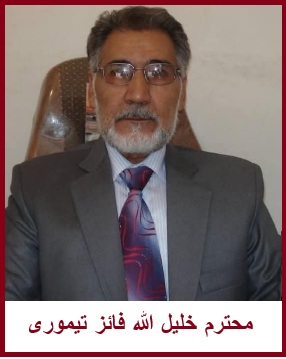
خلیل الله فائز تیموری روزنامه نگار، فعال مدنی و پژوهشگر حقوق بشر
—–
ترجمه انگلیسی
«The End of Every Dark Night Is a BrightDawn»
A documentary‑style story of a migrant family
Migration is not a word that slips easily off the tongue. Migration is burning in invisible flames; it is tearing yourself away from the soil where your roots have grown, and stepping into a land that carries none of the familiar scent of rain. This story is the tale of one among thousands of such burnings — the story of a man whose pen was his weapon, and whose homeland remained behind him. In this narrative, not only does the sorrow of leaving one’s country echo deeply, but a small spark of hope also glimmers within the starless nights.
Hamid grew up from early childhood with the sound of the radio and the smell of old books. His father was a thoughtful, devoted teacher, and his mother a housewife with a questioning mind and an awareness far beyond her time. Their home was a safe haven for countless books of philosophy, literature, and history — books that decorated the walls not with plaster and brick, but with thought and inquiry. Among this ocean of words, Hamid learned well that “freedom” was not a word easily spoken in the alleyways of his homeland.
One day in primary school, his curious eyes witnessed the arrest of a teacher whose only “crime” was protesting the lack of textbooks. That day, a seed of a great question was planted in his young heart: “Can one not become the voice of those who have no voice?” This question stayed with him into youth and led him to study law. Two semesters of journalism opened a new perspective for him; journalism was not merely a profession — it was a cry rising from the depths of a well.
Hamid decided to become a journalist. Not for fame, but to pull light out of darkness with his pen amid the flames of war and the whirlpool of instability. His reports were never just news; he wrote pain, turned unheard cries into words, and his name gradually echoed in media circles. Yet fame, money, and power never seduced his questioning mind.
Beside him stood Sanam — his wife, a teacher at a girls’ high school and an unwavering companion in the difficult path of his ideals. Their children grew up in the same atmosphere of thought and commitment. Zahra, the eldest daughter, loved the camera and capturing people’s voices, continuing her father’s path in journalism. Amirhossein, with brilliant talent, completed a degree in computer science at a private university and graduated with high distinction. Mohammad, the youngest, always carried a book on human rights under his arm and dreamed of becoming a lawyer, just like his father.
But the sky above this home suddenly collapsed. With the fall of the republic, their world turned upside down overnight. The night the Taliban entered Herat, Hamid looked at Sanam with eyes full of sorrow and said: “Tomorrow, we will no longer live with our own voices.” Phones were switched off, the television went dark, and beloved books were hidden behind curtains of fear. Years of study and struggle turned into endless terror within days.
The Taliban declared that women had no right to work and girls must remain imprisoned inside their homes. Schools, universities, and government offices were closed to women and girls. Zahra, who had recently defended women’s rights on television with unmatched courage, now sat behind her window staring at the blank screen, as if the image of silence was the scream within her. Sanam whispered with a trembling voice: “The lessons I taught my girls have now returned like a dagger to my heart.”
Although Amirhossein still had to go to work, he returned home each night with frightened eyes. Taliban officers repeatedly searched his car, demanded his ID, and called him “the journalist’s son.” Mohammad no longer dared to leave the house; his friends disappeared one by one, and the streets became dark memories.
Hamid spent many nights on the rooftop, staring at the cold, starry sky. He wondered: “Is leaving my homeland a betrayal? Or is staying silent in the face of this suffocation the greatest betrayal to my children’s future?” When he felt the danger to his family’s lives, he made his fateful decision — they had to leave.
None of them had passports or exit documents. With a broken heart, Hamid turned to his old friend Abdulmalek — a man who once served in the government and now collaborated with the Taliban. Setting aside a lifetime of pride, he asked for help. With a large payment, passports and visas — more like passes through hell — were obtained.
The next day, without farewells and without looking back, they crossed the land border. Zahra kissed the dust on her shoes, as if she wanted to carry the scent of her homeland forever. Sanam lowered her head so no one would see her tears; only the cold winter air witnessed their heartbreak.
But the neighboring country was no promised paradise. The humiliation of border officers, the icy stares of strangers, and the constant sting of exile pierced Hamid’s heart like a sharp blade. Amirhossein found a job at a company after great effort and worked diligently, but returned home each night exhausted and worried. Zahra volunteered at an online media outlet, hoping her pen could still be a voice. Mohammad attended a computer course, but after three months they refused to give him a certificate: “You are not from such‑and‑such place; people like you don’t get certificates.” His hope for learning faded.
Hamid, once a hero of his homeland, was now a broken man in exile. At night he sought refuge in memories, soothing his heart with the sorrow of the past. But during the day, with stubborn determination, he wrote humorous texts, stories, and poems in online groups — not to make people laugh, but to heal the wounds of fellow migrants. He knew that laughter, amid all this pain, was a form of resistance.
Until one day, an unknown message on Facebook shattered their fragile peace:
“You are an infidel. Your clips insult Islam and oppose the Taliban. We will tie your corpse to a car, just like those two men in Herat.”
The sender’s name was “Alkozi,” one of the Taliban’s cyber operatives. The threat was no joke; just a week earlier, two exiled activists in Herat had been murdered, and videos of their deaths circulated on Taliban networks. Hamid kept the threat to himself so his family wouldn’t panic, but his mind grew more turbulent. Even during breakfast, fear shadowed everyone’s eyes.
In this turmoil, one of his former colleagues in civil and human rights organizations — now living in Europe — contacted him through Messenger. Hamid, overwhelmed by threats, shared his story and Alkozi’s messages. His friend promised to inform Afghan human rights institutions in Europe.
A few days later, he called again: he had spoken with officials at the Afghan Human Rights Committee in a European country. Fortunately, the committee’s director already knew Hamid and his work in civil society and journalism. He also followed Hamid’s current online activities.
A form was sent for Hamid to complete and return. With family consultation, he filled it out and emailed it back.
Around the same time, the company where Amirhossein worked suddenly shut down due to a common scam in the neighboring country; the manager fled abroad. His three months of unpaid salary — two months of work guarantee and one month of labor — were never paid. This failure deepened the family’s sorrow.
Yet amid the darkness, sparks of hope appeared. Zahra, through her dedication at the online media outlet, managed to obtain a one‑year residence visa for herself and her parents — a relief from the burden of illegality. Mohammad, however, was fired from a grocery store for lacking a visa, and government pressure weighed heavily on him again. Amirhossein, distressed by unemployment, lost his spirit — until an old friend with a production company in China invited him to work in graphic design.
This news brought a faint smile to the family.
Days passed, and a response arrived from the Afghan Human Rights Committee in Europe — an email with confirmation letters from the committee and several European institutions.
Another letter thanked Hamid for his past civil and human rights work in Afghanistan and advised him to apply for resettlement through UNHCR in the host country, as his life was also in danger there.
Hamid visited UNHCR repeatedly and made persistent phone calls until he finally submitted valid documents and photos of himself and his family. After some time, they called for a phone interview with the family. Then they were summoned to UNHCR, and their fingerprints were registered. Meanwhile, Amirhossein traveled to China to begin his graphic design job; the family was both happy for his opportunity and saddened by his absence.
But the threats did not stop. A second time, Taliban operatives in the neighboring country attacked Hamid with a knife, but police intervention foiled their plan. The family seemed safe again, yet the wound of fear remained.
Then UNHCR called once more, and the main interview began. In a session lasting nearly an hour, they received full information about the receiving country — Finland — and signed a commitment with fingerprints. Hamid’s interview, as the case lead, lasted two days and twelve hours. The rest of the family’s interviews were scheduled for the following week. After all interviews were completed, the officer smiled and said:
“God willing, you and your family will be transferred to Finland in the first six months of 2026.”
But now, the ninth month of 2026 has arrived, and their fate still hangs like a distant cloud. Alkozi’s threats continue, but Hamid is no longer alone. Thousands read his stories and epic poems online and draw strength from them. UNHCR is aware of his situation, and most importantly, his family — after all these storms — has rediscovered the feeling of life.
In one of his Facebook posts, Hamid wrote:
“Sometimes one must endure the pains of migration; for it has long been said that the end of every dark night is a bright dawn.”
Though Hamid’s story has no clear ending, its conclusion is written in hope. Migration may be the most painful choice, but sometimes it is the only choice. This narrative is not merely the story of one family — it is the story of a generation breathing between the walls of exile and the windows of hope. May all these endless nights someday turn into the dawn of return or lasting peace.
The End
Khalilullah Faiz Taimuri — Journalist,
Civil Activist, and Human Rights Researcher
جناب آقای فائز تیموری عزیز قلم زیبای تان را می ستایم ، کامگار باشید.
باعرض حرمت
قیوم بشیر هروی
فرهیخته ورجاوند جناب آقای بشیر هروی
از نشر داستان اینجانب در سایت وزین ۲۴ساعت نهایت سپاسگزارم
موفقیت و شادکامی برای شما و سایر همکاران از بارگاه ایزد منان خواستارم.
درود ومهر متقابل نثار تان باد جناب آقای فائز تیموری عزیز ، سعادتمند باشید.